
Ciweed
4484, Landings Way, 55375, Minnetrista, United States
Ciweed
4484, Landings Way, 55375, Minnetrista, United States
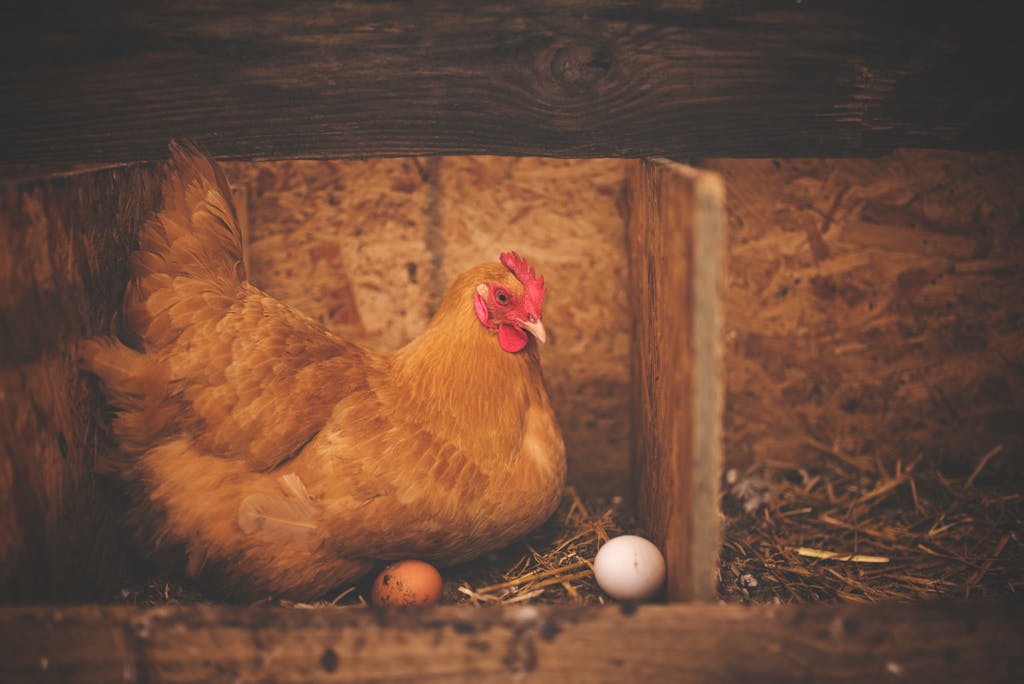


Expert Regulatory Analysis Receive in-depth evaluations of potential new agricultural norms to help you anticipate and prepare for changes.
Timely Updates Stay ahead with prompt notifications on emerging policies affecting farmers and agribusiness practices.

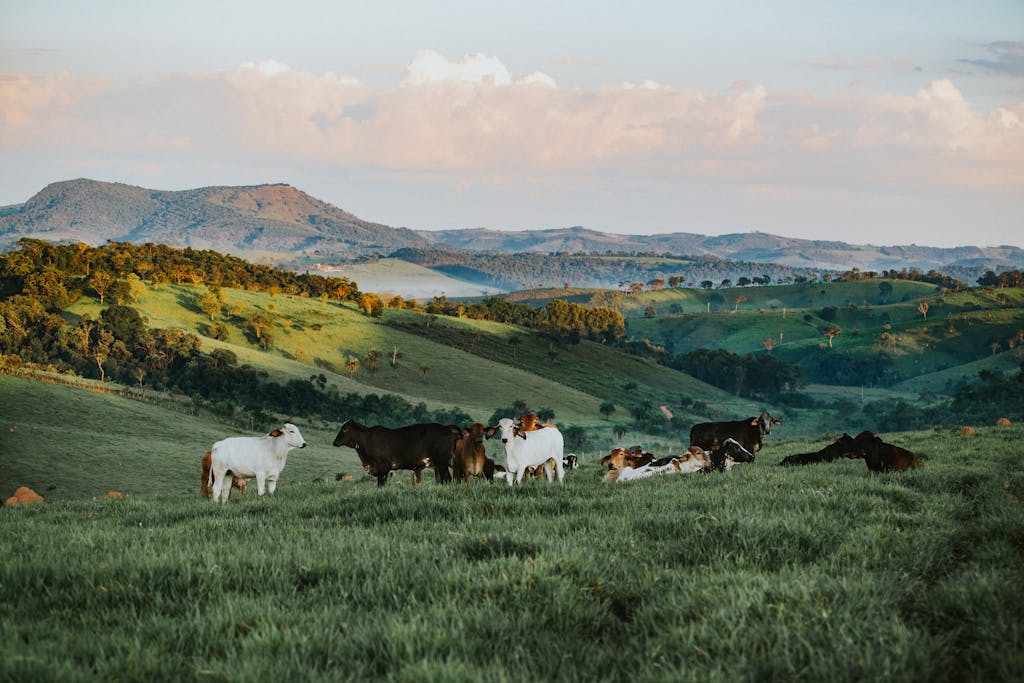
Trusted Insights Benefit from assessments crafted by experienced professionals in the agriculture sector.
User-Friendly Interface Access clear and concise information through an easy-to-navigate platform designed for your convenience.


Emily Richardson
Agricultural Analyst

Jessica Morgan
Farm Compliance Specialist

Sarah Johnston
Policy Researcher

Laura Hayes
Agribusiness Consultant

Amy Brooks
Environmental Advisor
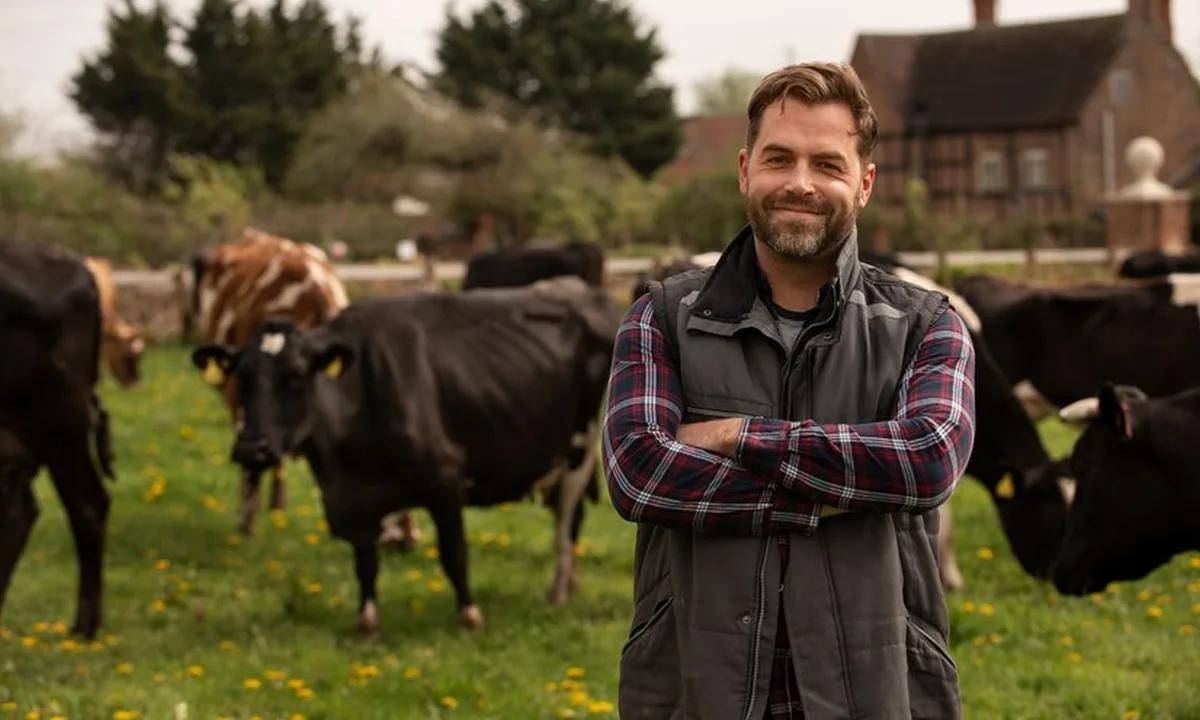
Concerns about potential regulatory changes affecting farming practices have become a frequent topic of discussion in recent months. To explore what might be driving these conversations and how realistic such changes are, we spoke with Dr. Nathaniel Brooks, a well-known U.S. expert in agricultural development and rural economics.
— Dr. Brooks, what has caused the recent increase in conversations about possible new rules that could affect farmers?
— The main reason is the shift in the agricultural market structure. Over the last decade, farming has changed dramatically due to new technologies, supply-chain adjustments, and evolving consumer expectations. As these trends accelerate, discussions naturally arise around how to maintain sustainable growth within the industry.
Additionally, environmental standards, land-use efficiency, and modern production methods are advancing quickly. Whenever industries go through rapid transformation, conversations about new regulations appear simply as part of that wider adaptation process. It doesn’t automatically mean restrictive measures are on the horizon — it often just reflects the need to reassess outdated frameworks.
— How likely is it that new rules could actually limit farmers’ operations or create additional challenges?
— I would estimate the likelihood as moderate. Many proposals that circulate publicly are exploratory concepts rather than concrete plans. They often stem from research groups, environmental organizations, or agricultural boards wanting to test new ideas.
It’s also important to remember that in the U.S., the agricultural sector is large and diverse. Any adjustments require input from many stakeholders — growers, distributors, researchers, and community organizations. Because of this, changes tend to be gradual. While new standards may appear, they usually come with transition periods, support programs, or alternative compliance options.
— Assuming new rules are implemented, what could be the practical effects on farmers?
— The impact would vary based on the size and structure of each operation. Larger farms often have more resources to adopt new equipment or adjust workflows quickly. Smaller and mid-sized farms might face challenges such as upfront costs or additional documentation.
However, it’s not all negative. Regulatory updates often push innovation. Many smaller farms become more competitive after adopting new tools, improving soil monitoring, or optimizing water usage. Some studies show that targeted updates can actually help farms strengthen their long-term resilience.
The key concern is ensuring that any transition is manageable and that farms receive clear guidance and reasonable timelines.
Constructive cooperation is the best path forward
— What can help minimize disruption and support farmers if any new standards appear?
— Transparent communication is absolutely essential. When farmers, agricultural advisors, and industry associations participate in discussions early, the final standards tend to be more practical and easier to implement.
Another important tool is technology support. Many advanced systems — from precision sensors to automated irrigation — can significantly reduce operational strain. Programs that offer training, financial assistance, or shared resources can make adaptation far smoother for farmers of all sizes.
Ultimately, the agricultural sector is incredibly collaborative by nature. When information flows clearly and support systems are accessible, even major shifts can be handled smoothly.
— What is your final takeaway on this topic?
— While the discussions have raised concerns, the outlook is more positive than alarming. Most ideas circulating publicly are still conceptual and may evolve significantly before being considered for real implementation.
Farmers today are resilient, adaptable, and deeply knowledgeable. With open dialogue and practical planning, the industry can navigate upcoming changes confidently — and often emerge stronger than before.


You can use our services by writing to us or calling us. We will be happy to answer any questions and help you order services!
Telephone number
+1 077376565Address Location
4484, Landings Way, 55375, Minnetrista, United States
Mailing address